TSC President’s Adviser Opens Door for RSF Allies to “Repent” and Defect
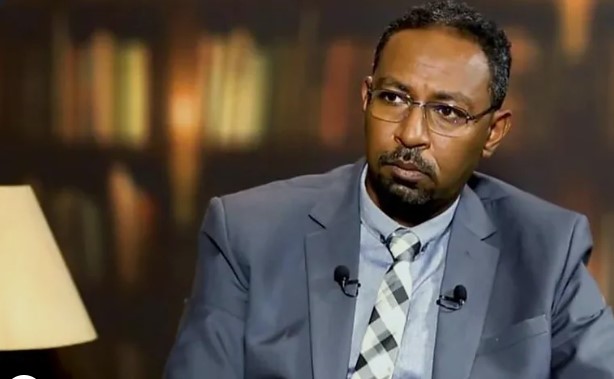
The political adviser to the President of the Transitional Sovereignty Council (TSC), Amjad Farid, called for not overstating the impact of defections by field commanders from the Rapid Support Forces (RSF) militia, nor underestimating their military and political significance.
In remarks to Ultra Sudan, he said such defections do not end the war or bring peace on their own, but they weaken the militia’s “killing, looting, and destruction machine.”
He added that every weapon removed from the RSF militia, every commander who breaks away, and every unit that defects reduce its capacity to harm civilians and disrupt the country.
The adviser further argued that anger over these defections is not entirely innocent, accusing some political actors of exploiting it while seeking to preserve the RSF militia as a unified force for political leverage.
He said such actors prefer a cohesive militia capable of pressuring the state and using violence as a bargaining chip in political negotiations.
Amjad Farid stated that those who support or justify the RSF militia are, in effect, no different from those who carry out violence, stressing that both contribute to sustaining the conflict.
He added that ending the war requires dismantling the RSF’s military structure, cutting off its financing and supply lines, and preventing its reconstitution as a political or armed actor.
The TSC President Adviser also said that opening the door to defections does not mean immunity from accountability, stressing that leaving the RSF does not erase past crimes.
He concluded that defections weaken the militia and reduce its capacity for violence, arguing that those uncomfortable with its fragmentation cannot genuinely claim to oppose the war it is fighting.