Sudanese Foreign Ministry: Statements by Trump Adviser on Rejection of US Initiative “Inaccurate”
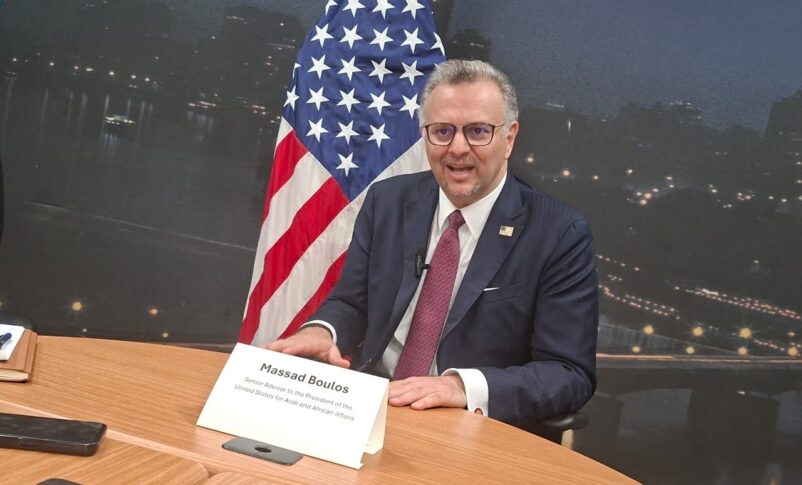
Sudan’s Ministry of Foreign Affairs and International Cooperation has refuted the statement made by the US President’s adviser for Arab and African affairs, Massad Boulos, before the UN Security Council, in which he claimed that the Transitional Sovereignty Council (TSC) had rejected a proposal paper submitted to it.
The Ministry stated that the US official’s remarks were “imprecise” and do not reflect the official positions of the Government of Sudan and its sovereign institutions, noting that the government had engaged constructively with Boulos’ proposals and provided a detailed response within ongoing consultations with the US administration, underscoring Sudan’s openness to any sincere and transparent efforts aimed at achieving peace and safeguarding national interests.
The statement highlighted the government’s positive record in responsibly engaging with initiatives to end the war, citing the signing of the Jeddah Declaration in May 2023 and adherence to several humanitarian truces that were violated by the rebel Rapid Support Forces (RSF) militia, as well as the government’s submission of a formal initiative to the UN Security Council on 22 December 2025 aimed at protecting civilians and creating conditions for a cessation of hostilities.
The Ministry stressed that any serious efforts to end the war in Sudan must address its root causes, foremost among them the immediate cessation of external supply of weapons and mercenaries to the militia, and the drying up of political and diplomatic support that enables it to continue committing violations and atrocities against innocent civilians.
In conclusion, the Ministry called on the international community and regional actors to engage with the realities on the ground with objectivity and realism, stressing that Sudan is facing a direct aggression backed by foreign sponsorship through a terrorist militia, which requires a firm international stance that supports national state institutions and strengthens prospects for stability.