
Inside Al-Dagalo Prisons: International Organ-Trafficking Network Targets Thousands of Detainees
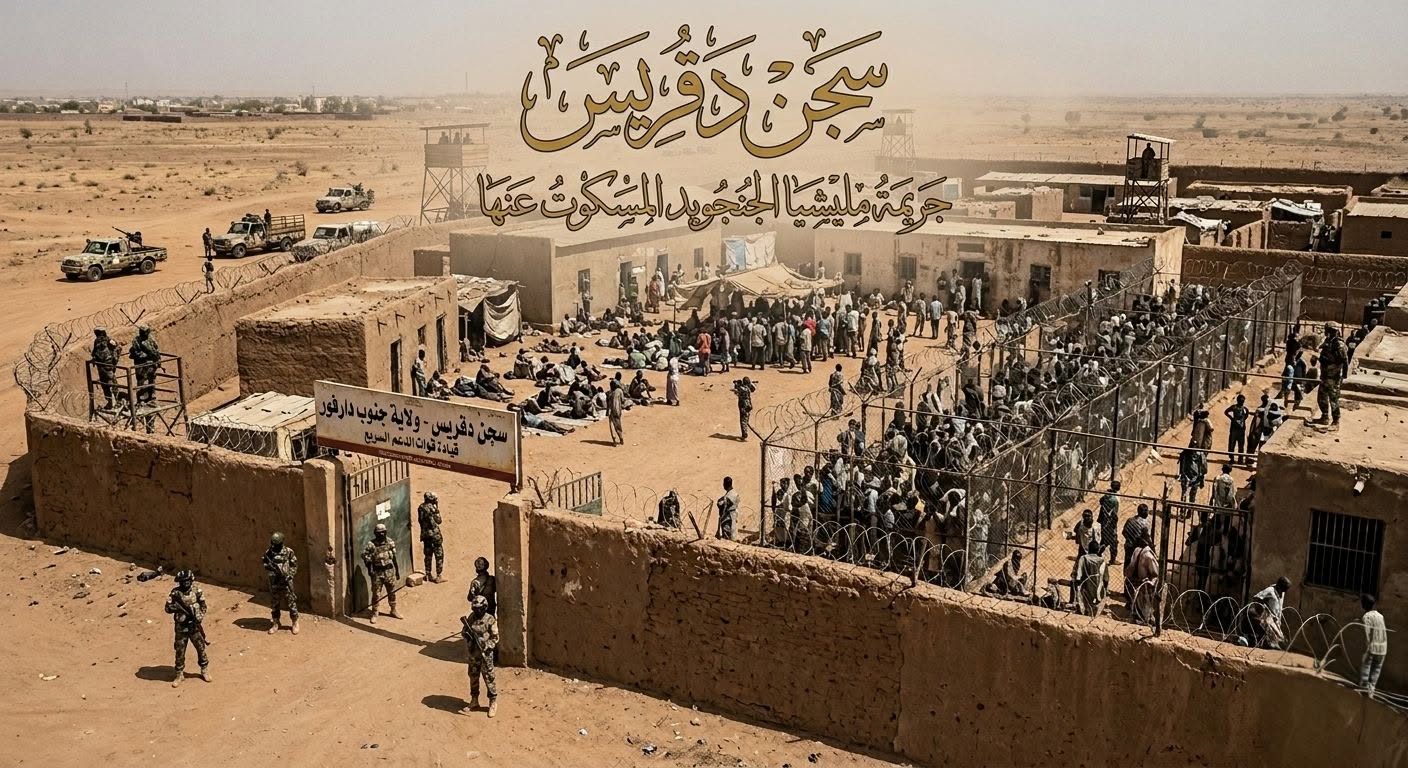
The Sudanese government has called on the United Nations to intervene for the release of more than 20,000 detainees held by the Rapid Support Forces (RSF) militia in prisons in South and North Darfur states.
Sudan’s Permanent Representative to the United Nations, Al-Harith Idris, sent a letter to UN Secretary-General António Guterres and Security Council President Leonor Zalabata Torres, detailing conditions at Daqris Prison in Nyala and requesting that the letter be circulated as an official Security Council document.
According to the letter, 19,800 detainees and prisoners are being held at Daqris Prison, including 5,434 civilians from various professions and 690 women. The detainees also include 3,795 members of the Sudanese Armed Forces, 4,270 police personnel, 544 intelligence officers, 73 medical workers, and about 5,000 civilians transferred from Al-Fashir.
The government called for condemnation of violations committed against detainees and prisoners of war held at Daqris and Shala prisons near Al-Fashir.
Located about 25 kilometers west of Nyala, Daqris Prison has become a site of severe abuse, according to information contained in the letter. Al-Harith said humanitarian and medical conditions at the facility are catastrophic, with shortages of medical staff and essential supplies contributing to deaths among detainees suffering from chronic illnesses.
He added that many prisoners are unable to move because of deteriorating health conditions, while prison guards prevent critically ill detainees from accessing specialized treatment outside the prison and restrict family visits.
The letter also cited reports of systematic torture and cruel, inhuman and degrading treatment, including verbal abuse, forced humiliation, severe beatings, electric shocks and the burning of detainees with cigarette butts. It said the abuses occur amid severe overcrowding, poor sanitation, inadequate access to clean water, and outbreaks of cholera and other infectious diseases.
Al-Harith further said the government had received deeply troubling reports of an organized organ-trafficking network operating inside the prison. According to the letter, foreign medical personnel from Colombia and Serbia were involved in removing organs from detainees.
The letter said victims were selected from among detained members of the Sudanese Armed Forces and Joint Forces under the pretext of release before being transferred to foreign operatives in Nyala, where their organs were harvested. It added that the victims were subsequently buried within the premises of the 16th Infantry Division headquarters in an effort to conceal evidence and cover up the crimes.