
First Anniversary of El-Fasher Massacre: International Moves to Pursue Perpetrators as Calls Grow to End the Era of Impunity
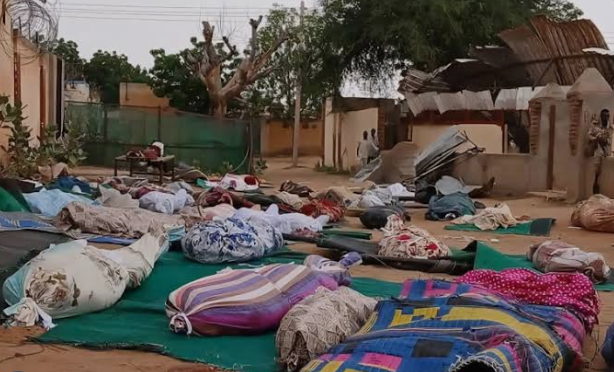
The first anniversary of the fall of El-Fasher, marked on October 26, has become a platform for demands for international justice and the prosecution of those implicated in atrocities against civilians. While the United Kingdom announced a package of sanctions targeting prominent military figures, Sudanese political leaders and armed movements vowed to pursue those responsible and restore security across the region. Meanwhile, renewed allegations accused the United Arab Emirates (UAE) of financing and prolonging the war by continuing to supply weapons to the Rapid Support Forces (RSF) militia.
London’s Sanctions
The United Kingdom announced stringent sanctions against 15 senior figures from the RSF militia, the Sudanese Armed Forces, and allied groups over suspected involvement in widespread violations, including conflict-related sexual violence during the siege and takeover of El-Fasher.
The British sanctions list, which provides for asset freezes and travel bans, includes the following:
• RSF commanders involved in the siege: Colonel Hussein Abu Jalak, Ibrahim Gebreil Omar, known as Abu Wafi; Abbas Khater Bakhit; Khadim Allah Khashmin Harika, known as Shiraz; Hamdan Al-Kajli; Abdel-Bagi Dahab Talbo; and Mustafa Abdullah Ahmed Shunibat.
• Former RSF commanders who later defected to the army: Al-Nour Ahmed Adam, known as Al-Qubba, and Ali Rizqallah, known as Al-Safna.
• Other military figures and commanders: Major General Awad Al-Karim Ali Saeed; Major General Abdel-Moneim Abdel-Basit; Major General Abdullah Ali Ahmed, director of Al-Jazirah State Police; Brigadier General Ahmed Barir Haj Ahmed; Misbah Abu Zaid Talha, commander of the Al-Baraa ibn Malik Brigades; and Al-Siddiq Ali Wad Al-Basha, known as Al-Duhaish, commander of the Abdullah Jamaa Battalion.
British Foreign Secretary Ed Miliband said investigations funded by the United Kingdom had uncovered the continued use of rape and starvation as weapons of war against the Sudanese people. He described these acts as crimes against humanity that require perpetrators to be held accountable and external support for them to be halted.
Calls to Pursue Those Responsible
Justice and Equality Movement leader and Finance Minister Gebreil Ibrahim launched a forceful attack on the forces responsible for the assault, describing the resilience of El Fasher’s residents as an “exceptional epic of courage.” He renewed his pledge to seek justice for those killed, declaring: “We will not rest until our forces reach El Fasher and every inch of Sudanese territory defiled by the forces of aggression.”
In an official statement, the Justice and Equality Movement said the events in El Fasher constituted ethnic cleansing and genocide aimed at forcibly altering the region’s demographics and displacing its original inhabitants. The movement condemned what it called the international community’s “suspicious silence,” arguing that it had become complicity that allowed perpetrators to escape accountability.
The movement called for the prosecution of those responsible and for regional actors providing the militia with financial, logistical, and military assistance to be held accountable.
Meanwhile, Darfur Regional Governor and Sudan Liberation Army leader Minni Arko Minnawi said the strategic objective of the ongoing military operations extended beyond retaking El Fasher to establishing full control over Sudan and defeating the rebel militias.
In an interview with Asharq, Minnawi explained that military planning was not limited to the El Fasher front but was directed toward liberating and restoring control over the entire Sudanese state.
He described the overall military situation in the country as “reasonable but not ideal,” noting that operations were proceeding according to a carefully considered plan but that sustained military efforts were necessary to implement the strategy.
Minnawi also launched a sharp attack on the RSF, describing the humanitarian situation inside El Fasher as “extremely dire” because of the siege and continuing violations against civilians, as well as damage to the basic necessities of life.
Addressing the recent defections of former RSF commanders who had joined the army, Minnawi strongly warned against overlooking crimes committed by those individuals. He said that waiving accountability for commanders returning from the militia would send dangerously negative signals and conflict with the principle of justice.
Despite his political criticism of the issue, Minnawi acknowledged that such defections could produce “significant military and tactical gains behind the scenes,” benefiting the course of the fighting, even if their implications were not yet apparent to the public.
Legal Action
Separately, the Sudanese Bar Association, in cooperation with the National Human Rights Commission, commemorated the anniversary at the Bar Association headquarters in Khartoum with a seminar entitled “RSF Crimes in El Fasher: The Imperative of Ending Impunity.”
Sudanese Bar Association President Zein Al-Abideen Mohamed Hamad announced intensive legal initiatives in coordination with international legal associations to file lawsuits seeking compensation for damages and violations and to hold those responsible accountable.
Hamad accused the international community of standing by as the tragedy unfolded and explicitly pointed to the UAE’s alleged involvement in the suffering.
Amnesty International Accuses UAE of Arming the RSF
Amnesty International issued a strongly worded report stating that the UAE continues to supply weapons to the RSF militia, contributing directly to atrocities and prolonging the war in what the organization described as a flagrant violation of the UN arms embargo imposed on Darfur.
The organization called for arms transfers to the UAE to be halted as a deterrent measure.
Amnesty International Secretary-General Agnès Callamard rejected the militia’s claims that El-Fasher had become safe, saying: “The shadow of fear looms heavily over El-Fasher today.”