
Finance Minister Attributes Pound’s Decline to Rising Foreign-Currency Demand
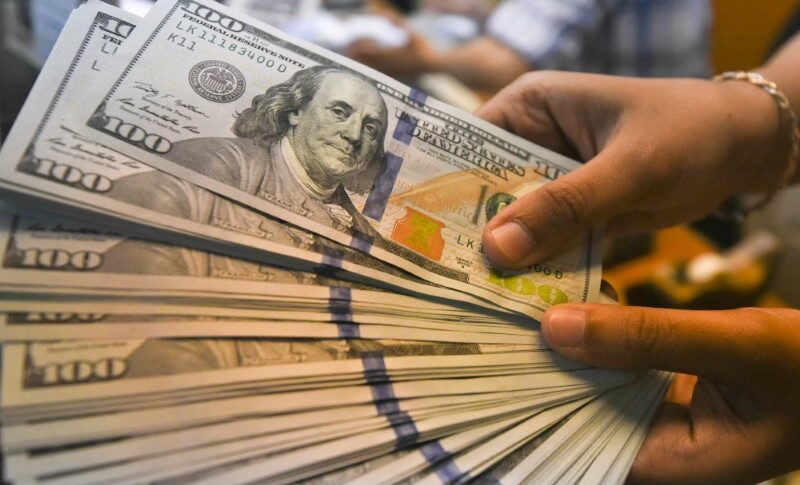
Finance Minister Gebreil Ibrahim attributed the rapid depreciation of the Sudanese pound against foreign currencies to rising demand for foreign currency and the increase in imports relative to exports. He said the deterioration in the national currency’s exchange rate had directly affected citizens’ livelihoods, particularly those on low incomes.
Ibrahim made the remarks as the Sudanese pound’s exchange rate surpassed 8,000 to the US dollar on the parallel market, according to market traders. The market has witnessed sharp intraday fluctuations and a shortage of foreign-currency supply, while some traders expect the dollar to reach 10,000 Sudanese pounds within days.
Speaking to Asharq Al-Awsat on Wednesday, Ibrahim said the increase in imports relative to exports was one of the main factors driving up the dollar’s value. He explained that foreign-exchange rates are determined by supply and demand, amid high demand for foreign currency.
The minister attributed “part of the increase in demand” to developments in the Gulf region and around the Strait of Hormuz and Bab el-Mandeb, as well as related developments. He also pointed to higher oil prices and rising transportation and insurance costs, which increase the import bill and, consequently, the need for foreign currency.
Ibrahim denied that the government was purchasing dollars from the parallel market to meet its foreign-currency needs. He said the government instead purchases and exports gold to obtain foreign currency, stressing that it could not buy dollars from the parallel market while being aware of the risks involved.
Ibrahim said the government had taken measures to improve the economic situation, but added that these measures would need some time before their positive effects become evident for citizens and the country.