
Biological Theft of the Century: European Centres Loot Rare Research and Bacterial Strains from Sudan’s National Public Health Laboratory
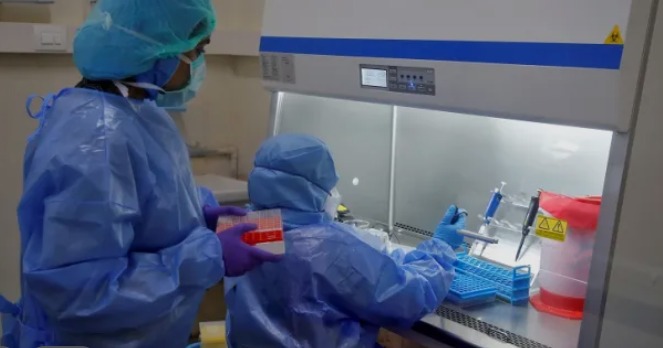
KHARTOUM (Sudanese Echoes) – An investigative report by the Sudanese Echoes platform, backed by documents and evidence, has exposed an unprecedented biological and historical crime targeting Sudan’s National Public Health Laboratory (ISTAC) in Khartoum. The report revealed the looting of Sudan’s epidemiological wealth and the theft of rare bacterial strains and research materials by European and African scientific institutes, which used them to develop vaccines and herbal medicines that were sold for millions of dollars in the global pharmaceutical market without acknowledging their Sudanese origins.
This scientific catastrophe followed extensive acts of sabotage and destruction inflicted on the historic laboratory, established in 1927, by the rebel militia during the war, forcing its staff to relocate temporarily to Port Sudan.
The investigation confirmed that all historical samples preserved through decades of freezing were destroyed after militia members, unaware of their value, emptied 70 refrigerators used to store the samples and threw them onto the floor in order to steal the refrigerators. This deprived Sudan of its capacity to diagnose epidemics at the height of recent cholera and dengue fever outbreaks.
The laboratory’s paper archive, which represents the country’s epidemiological memory spanning a century, was also subjected to an organised looting operation. Rare records and hand-drawn maps were transported across the borders through Darfur to Chad and South Sudan, before being flown to European and African countries.
In a shocking development, the master’s and doctoral research of prominent Sudanese scientists was turned into sleeping mats for militia members or used as fuel for cooking. Some of the surviving materials were sold in Omdurman’s market as scrap paper. A deliberate fire also consumed the laboratory’s library, which contained 7,000 medical books and journals, some dating back to 1908.
The investigation raised serious concerns among medical laboratory professionals following the disappearance of notebooks and maps containing the historical geographical coordinates of Leishmania donovani, the parasite responsible for visceral leishmaniasis (kala-azar), and malaria-carrying mosquitoes.
Experts issued serious warnings about the risks of these coordinates and biological data falling into the hands of foreign military entities or major pharmaceutical companies, potentially paving the way for their use in developing biological weapons or monopolising treatments derived from Sudan’s natural environment.