Sudan Spends $300 Million Annually on Iodized Salt Imports Despite Local Potential
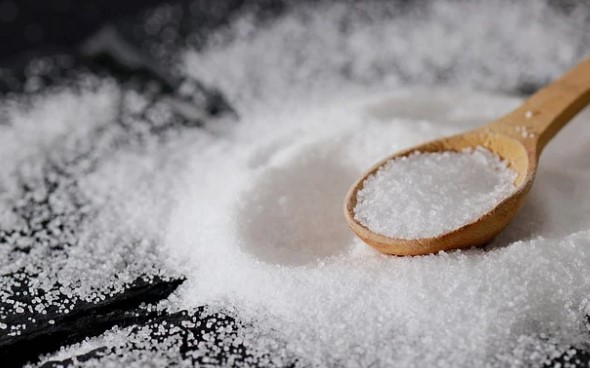
A senior official in the mining sector has revealed that Sudan’s annual bill for importing iodized salt has surged to approximately $300 million, despite the country possessing strong domestic production potential.
Sudan currently imports iodized salt from seven countries, most notably Egypt.
Director General of the Geological Research Authority, Ahmed Haroun Al-Tom, stated that “despite Sudan’s extensive coastline, the country continues to import iodized salt at a cost reaching $300 million annually,” underscoring the urgent need to invest in the sector.
He disclosed that the Authority is working to indigenize salt production and cut the import bill, announcing the procurement of a production plant from Spain to manufacture iodized salt at an estimated cost of €1.85 million, with a production capacity of up to 10 tons per hour.
In press remarks on the sidelines of the launch of the comprehensive geological survey project last Thursday, Director General Ahmed Haroun noted that the salt production initiative began as a research concept in 2023 and entered the implementation phase in 2024. The project is expected to generate profits exceeding €2 million in its first year of operation, rising progressively to €7 million by the seventh year.
Haroun further indicated that the project targets the utilization of approximately 850 kilometers of Sudan’s Red Sea coastline, which is rich in salt resources, through scientific assessment and optimized exploitation to meet domestic demand.
He also revealed understandings with the United Nations to purchase the project’s output and channel it toward supporting Ministry of Health programs, in a move that reinforces both economic and public health dimensions.