
Economic and Financial Talks Between Sudan and Kuwait
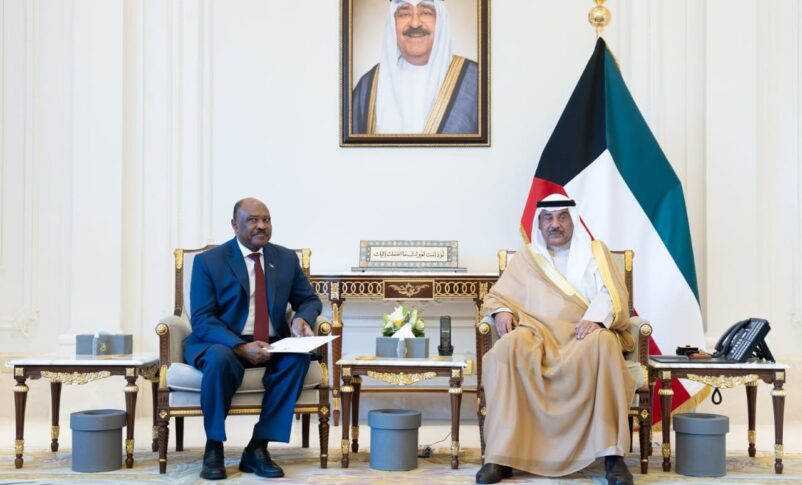
Sudan’s Minister of Foreign Affairs and International Cooperation has begun an official three-day visit to the State of Kuwait, which will continue until August 21, as an envoy of the President of the Transitional Sovereignty Council (TSC), General Abdel Fattah Al-Burhan.
Kuwaiti Crown Prince Sheikh Sabah Khaled Al-Hamad Al-Sabah received Sudanese Foreign Minister Mohi-Eddin Salem on Wednesday. During the meeting, the minister delivered to the Crown Prince a written message addressed to the Emir of Kuwait, Sheikh Meshal Al-Ahmad Al-Jaber Al-Sabah, from the President of Sudan’s Transitional Sovereignty Council. The message concerned ways to support and develop bilateral relations between the two brotherly countries in various fields.
In a related development, the Sudanese minister held an official round of talks with his Kuwaiti counterpart, Sheikh Jarrah Jaber Al-Ahmad Al-Sabah. The two ministers discussed prospects for joint cooperation, the latest developments on the regional and international fronts, and efforts to strengthen security and stability in the region.
The Sudanese Ministry of Foreign Affairs said in a statement that the delegation includes Minister of Finance and Economic Planning Gebreil Ibrahim and Governor of the Central Bank of Sudan Amna Mirghani Hassan Al-Tom, along with a number of senior officials.
The statement explained that the visit includes economic and financial discussions. The Minister of Finance is scheduled to meet with his Kuwaiti counterpart as well as officials from Kuwaiti and Arab funds and financing institutions.
Meanwhile, the Governor of the Central Bank of Sudan will hold meetings with her Kuwaiti counterpart and a number of officials from financial and banking institutions.
The talks form part of Sudan’s efforts to strengthen economic and financial cooperation with Kuwait and other Arab countries. Sudan is seeking to mobilize economic support for the reconstruction of the country and to address the economic repercussions of the war that has continued since April 2023, amid damage to productive sectors and infrastructure and a decline in banking and investment activity.