
Defence Minister: Sudan’s War Is International; Reducing Political Parties to Four Is Inevitable
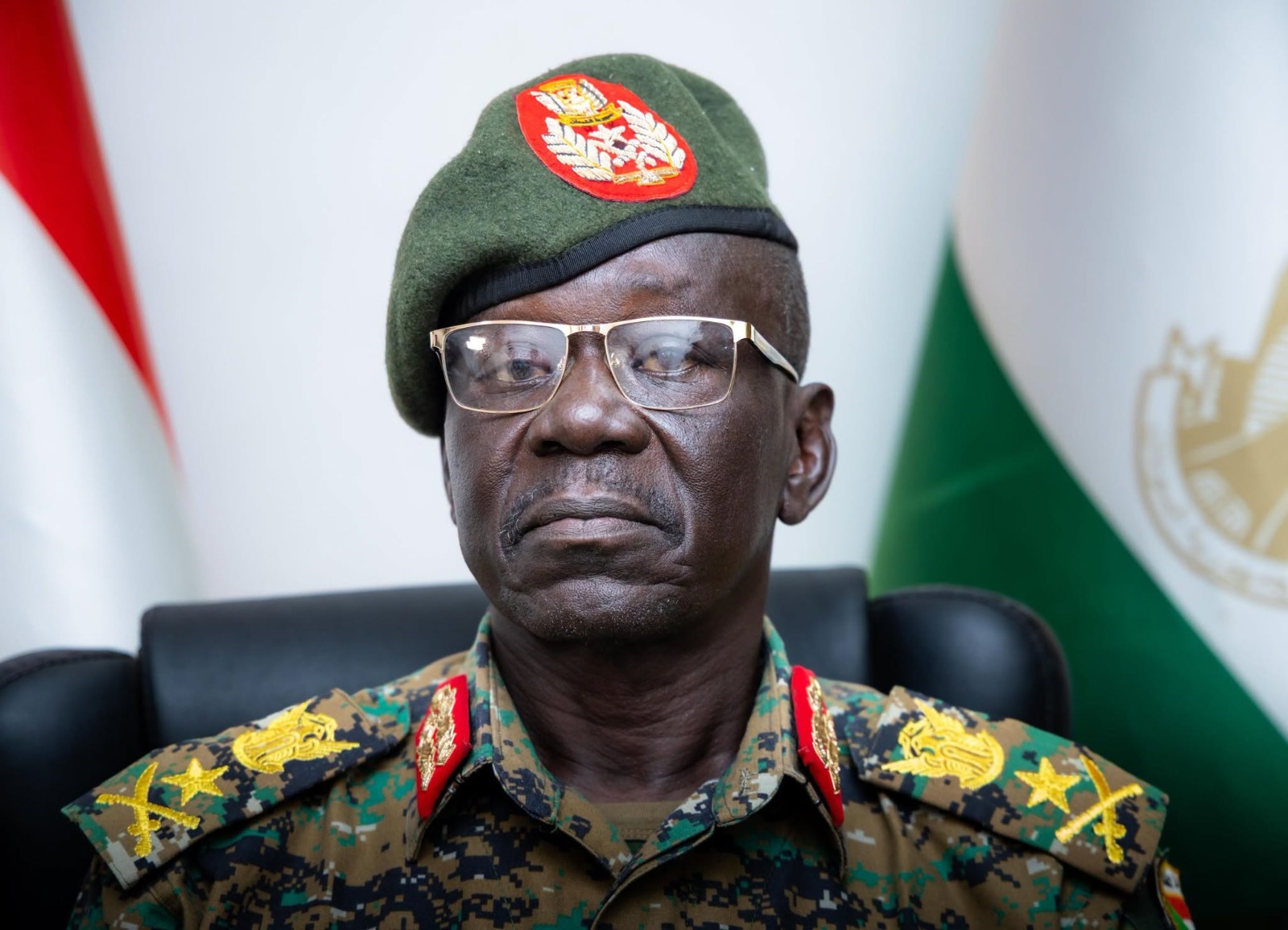
Sudan’s Defence Minister, Lt. Gen. Hassan Daoud Kabroun, has described the ongoing military confrontation in Sudan as an “international war” involving more than 20 countries, aimed at bringing about demographic change, plundering the country’s resources, and fragmenting the military institution. He stressed that Sudan’s doors remain open to dialogue and to joining regional defence alliances to strengthen national, Arab, and African security.
In an interview with the Sudan News Agency (SUNA), Kabroun said Khartoum maintains close defence agreements and protocols aimed at protecting the country’s territory and sovereignty. He revealed that Sudan is making serious efforts to join the grouping concerned with the joint protection of Red Sea security, involving Saudi Arabia, Egypt, and Pakistan, in order to secure Sudan’s coastline, which stretches for approximately 800 kilometres. He also highlighted efforts to strengthen coordination with countries in the Horn of Africa and regional blocs.
The minister said the Armed Forces had successfully employed advanced technology and cybersecurity capabilities to gain the upper hand on the battlefield. He noted that Karari Military University and national defence systems had, through entirely Sudanese expertise and innovation, developed and produced weapons, drones, and aircraft despite a prolonged blockade.
Kabroun announced the enactment of a new law on national industries aimed at relocating factories and production facilities—including those processing gold, sesame, and gum Arabic—to their original production areas in Darfur, Kordofan, and other regions, rather than concentrating them in Khartoum. He said the move would promote balanced development and create employment opportunities for young people, while ensuring full security protection for production areas and supply chains.
On Sudan’s foreign relations, the defence minister said the country avoids alignment with competing geopolitical blocs and conducts its relations on the basis of respect for international law, state sovereignty, and non-interference in internal affairs. Commenting on the United States’ refusal to allow President of the Transitional Sovereignty Council (TSC) General Abdel-Fattah Al-Burhan to travel to New York, he described the move as “corruption in global diplomacy.” He also stressed that Sudan enjoys broad international respect and appreciation, as reflected in its recent foreign visits.
Regarding post-war reconstruction, Kabroun disclosed formal pledges from brotherly and friendly countries, particularly Saudi Arabia, Qatar, Türkiye, Indonesia, Azerbaijan, and Jordan, to contribute to rebuilding infrastructure. He said the “Government of Hope” had identified more than 100 major projects for the post-war period to ensure the emergence of a renewed Sudan.
The minister outlined the ministry’s current priorities as strengthening the domestic front, preparing operational theatres, and integrating all fighting forces under the command of the Armed Forces and official security institutions. He ruled out any place for “militias or armed cliques” in the country’s future.
He also stressed the need to consolidate Sudan’s political landscape by merging more than 100 parties into three or four major national parties. In addition, he announced a decisive plan to end the presence of undocumented foreign nationals and deport mercenaries who had entered the country illegally.