
Sudan Calls for Flexible Intelligence Platform to Cut Terrorist Financing and Dismantle Mercenary Networks
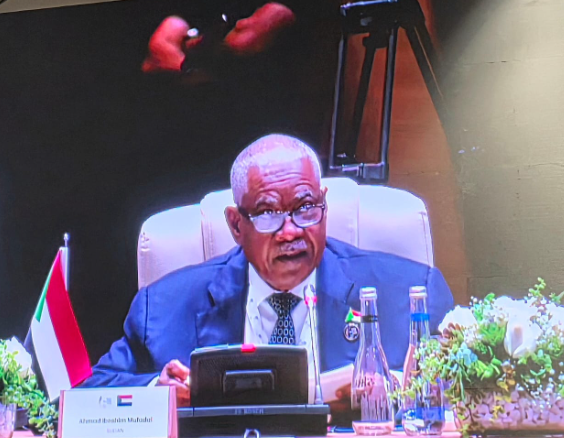
The Baku Security Forum opened in the Azerbaijani capital from September 21 to 23 under the theme “Contemporary Challenges in the Global Security Architecture and Establishing Effective Cooperation Mechanisms to Combat Terrorism,” with high-level participation by delegations and heads of intelligence and security agencies from around 90 countries and international organizations.
Sudan’s delegation was headed by Director General of the General Intelligence Service, General Ahmed Ibrahim Mufadal. His participation included intensive diplomatic and intelligence activities, including the forum’s main sessions and bilateral meetings with heads of delegations from friendly and brotherly countries.
On the sidelines of the forum, General Mufaddal held a series of productive meetings with the leadership of Azerbaijan’s State Security Service to explain developments in Sudan’s military and security situation and present his views on current issues. The talks resulted in joint security understandings as a prelude to comprehensive bilateral cooperation between Sudan’s General Intelligence Service and Azerbaijan’s State Security Service.
In his address to the forum, the Director General of the General Intelligence Service said the Sudanese crisis represents a real test of the ability of the regional and international system to confront the complex threats arising from the rebellion of the Rapid Support Forces (RSF) militia.
He warned of the repercussions of organized crime, the rebel militia’s reliance on foreign mercenaries, and the flow of uncontrolled weapons and equipment across borders, which threatens regional and international security.
Sudan’s Intelligence Chief also warned of the dangers of exploiting modern technologies, such as drones and encrypted communication platforms, as well as digital currencies, to finance and manage terrorist operations and organized crime.
General Mufaddal called on the forum to establish a flexible platform for information exchange, intelligence cooperation and coordination, and to create integrated mechanisms to combat contemporary security threats through coordinated approaches. He also called for cutting off sources of terrorist financing, establishing international legal frameworks to address drone threats, dismantling the mercenary economy, and supporting border management in countries affected by conflicts.