
Mysterious Disaster Shakes Sudan After Thousands of Dead Rats Appear in the Atbara River
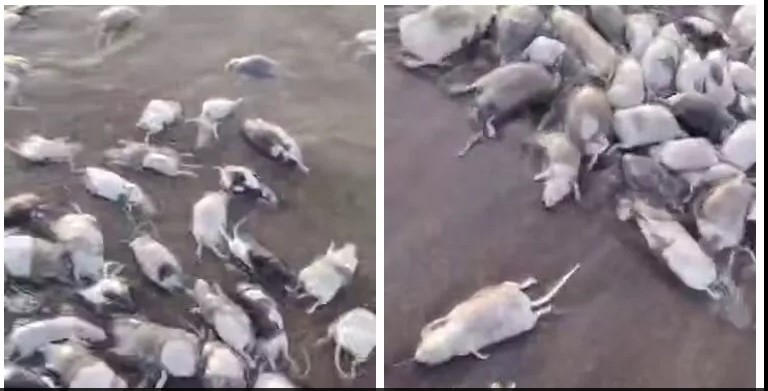
Eastern Sudan is facing what residents describe as a living nightmare after a shocking scene unfolded along the banks of the Atbara River at its confluence with the Seteit River, opposite the city of Al-Shawak in Al-Gadarif State, about 340 kilometres east of Khartoum.
Hundreds—if not thousands—of dead rats have been found strewn along the riverbanks, turning an area long regarded as a source of life into a scene of mass die-off. The sight has sparked widespread fear among local communities, amid mounting concerns that the river’s waters may have been contaminated.
Residents report the spread of foul odors across the area, deepening public alarm and fuelling anxiety that a far larger environmental and health disaster could be imminent. A video documenting the scene has rapidly circulated on social media, triggering a nationwide outcry and prompting urgent questions: Has poison entered the river? Has Sudan’s vital water artery been polluted?
The citizen who filmed the footage warned the public against drinking water from the river after witnessing vast numbers of dead rats floating on its surface.
A woman from Khashm Al-Girba told Al Arabiya.net / Al Hadath.net that the infestation appeared suddenly. “Rats began showing up in enormous numbers,” she said. “Every day we discover dozens of carcasses—sometimes as many as 61 rats at once.” She added that the situation has become unbearable, noting that nearly the entire area has been affected. “It is frightening and horrific.”
Other residents said rats are invading homes, jumping onto beds and into kitchens “as if they are trying to occupy the houses.” They warned that thousands of starving rats are destroying property, while uncertainty persists over whether the poisons being used are safe.
Locals have further cautioned that the Atbara River—one of the region’s most critical sources of water—now appears to be covered with dead rodents, intensifying fears over water safety and the potential spread of disease.