
Experts Propose a “Prescription” to Rescue the Sudanese Pound
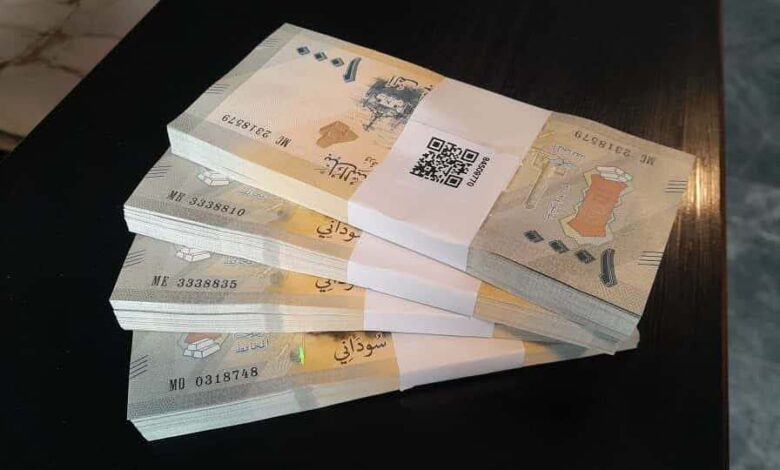
Former First Deputy Governor of the Central Bank of Sudan (CBoS), Badr-Eddin Gurashi, proposed the adoption of a managed flexible exchange rate system based on realistic mechanisms that enhance market efficiency, limit manipulation, and encourage foreign currency inflows through clear and applicable measures aimed at boosting investor confidence, stimulating remittances from expatriates, and ensuring balance in the foreign exchange market.
In an interview with Nabd Al-Sudan, Gurashi stressed the need to manage the exchange rate as one of the key pillars for achieving monetary stability and economic growth. He affirmed that successful policies rely on the ability to adapt to local and global changes while ensuring transparency and efficiency in implementing monetary policies and procedures.
For his part, banking expert and former Central Bank official Malik Al-Rasheed said practical experience has proven the failure of the Central Bank’s temporary intervention policy in the foreign exchange market since the adoption of the managed floating rate system to influence supply and demand and address periodic market imbalances.
He explained that the CBoS used to intervene in the market whenever it received a deposit of around 500 million U.S. dollars from a friendly central bank, but such intervention only reduced the exchange rate for a short period before it quickly rose again at a faster pace.
Al-Rasheed attributed the problem to the absence of accurate estimation of total supply and demand and its distribution across monetary regions within the country, adding that the overall demand for foreign currency was greater than the Central Bank had anticipated, particularly in import and export operations.
He linked exchange rate stability to achieving balance between total supply and demand, relying on steady export revenues from goods with stable markets, and increasing unrecorded inflows from expatriate remittances by restoring trust in the banking system and the monetary policy in place.