
Chamber of Commerce holds government responsible for pound collapse and expanding smuggling
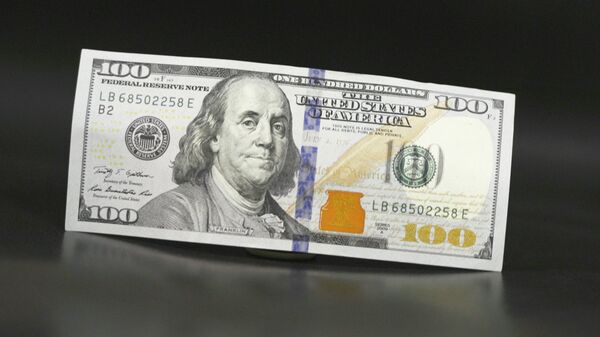
The Sudanese Chamber of Commerce has launched a strong attack on the country’s economic policies, holding them responsible for record surges in exchange rates on the parallel market and the expansion of smuggling activities, following the government’s recent decision to raise the customs dollar rate.
Foreign currency exchange rates on the parallel market have reached unprecedented levels, surpassing the 4,000-pound mark per US dollar for the first time, amid fears of severe repercussions on commodity prices, rising living costs, and worsening inflation.
The head of the Chamber of Commerce, Ali Salah, said in press statements on Saturday that repeated increases in the customs dollar rate have been a key driver of the pound’s deterioration, as they effectively amount to an official recognition of parallel market rates.
He criticised the government’s approach of linking the customs dollar to the parallel market under the pretext of exchange rate unification, saying this had placed the state in a position of following currency traders in what he described as a “catastrophic situation.”
Salah added that raising customs values creates strong incentives for smuggling and significantly increases the cost of living, noting that customs fees in Sudan are among the highest globally, even compared to lower-income countries. He questioned the economic rationale behind a measure that increases revenues nominally in pounds while reducing their real value in US dollars, ultimately forcing the state to raise salaries and enter a “vicious cycle.”
He also criticised what he described as the economic mindset managing non-essential goods since 2011, accusing it of repeatedly applying failed policies despite such goods accounting for no more than 3% of import bills, noting that previous bans had proven ineffective as goods continued to enter through illegal channels, according to him.
On Friday, Sudan’s Customs Administration implemented a new 14% increase in the customs dollar rate, in a move aimed at boosting government revenues and keeping pace with the rapid rise in exchange rates, amid warnings of its impact on consumer prices in the markets.