Khartoum Introduces Urgent Measures to Ease Transport Crisis Amid Fuel Shortages
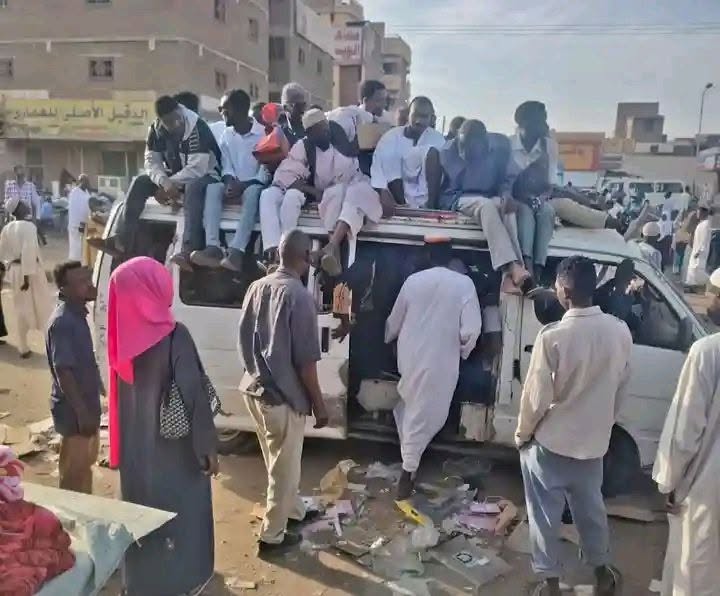
Khartoum State has introduced a package of directives and regulatory measures to address and ease the transport crisis gripping the state as a result of fuel shortages. The measures include regulating fuel distribution, expanding the fleet of buses operated by the State Transport Company, and tightening oversight of bus operations.
Wali of Khartoum State Ahmed Othman Hamza, who chaired an expanded meeting, outlined a number of urgent measures to mitigate the impact of the transport crisis. The meeting agreed to designate specific fuel stations in each locality to supply public transport vehicles and buses, with these stations receiving priority in the fuel allocations earmarked for public transport.
The meeting also stressed the need to intensify monitoring of bus operations and ensure compliance with designated routes and transport corridors. The Popular Resistance will be called upon to provide personnel to assist with monitoring and organizing transport operations, thereby strengthening field supervision and helping to ease congestion.
The meeting further agreed on the importance of expanding the fleet of the State Transport Company’s buses and extending their coverage across the localities in coordination with executive directors. A number of vehicles will also be allocated to operate under the supervision of locality executive directors, with the state covering their fuel costs and other financial obligations. These vehicles will transport citizens and students at half the regular fare.
The meeting also emphasized the need for close coordination with the commanders of the Armed Forces, police and General Intelligence Service to help transport citizens and students using buses belonging to military units.
The Wali issued directives to all government units affiliated with Khartoum State to provide transport for citizens travelling to work and on their return after working hours.