
Agar: “Sudan’s Problems Can Only Be Solved by Sudanese… and History Shows No Mercy”
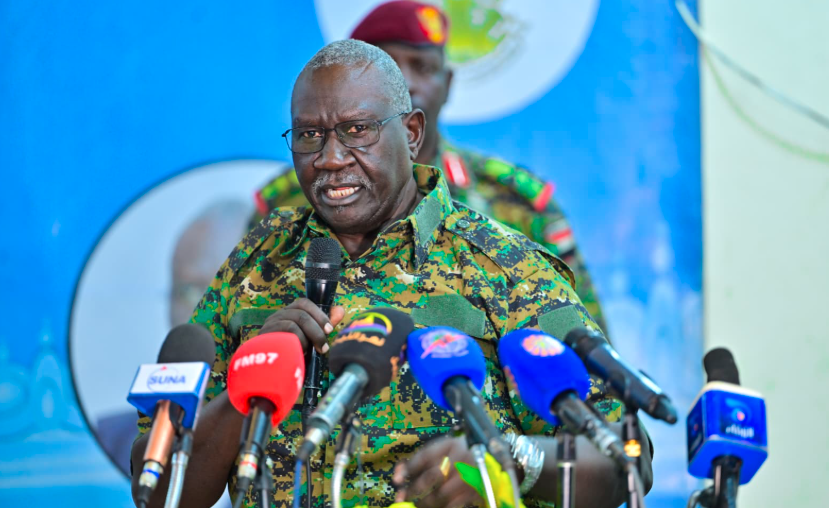
Vice-President of the Transitional Sovereignty Council (TSC), Malik Agar, called for the equitable distribution of resources and the achievement of social justice.
He added that development is meant to improve living conditions for communities and meet their needs. Speaking in Al-Damer city at a workshop on realizing rural development within the framework of decentralized governance, he emphasized the importance of focusing on the fundamental pillars of development.
Agar noted that the lack of development is due to the centralization of power and the marginalization of local actors, in addition to weak investment, legislation, and enforcement. He stated that the absence of a long-term strategic vision necessitates central planning, pointing out that conflicts and wars in Sudan stem from the lack of social justice.
He highlighted the need to shape the future with a new vision to ensure fair access to services, foster national development, and achieve stability and democracy. He stressed the importance of empowering rural areas by integrating them into the national economy and involving women and youth in development efforts.
Agar emphasized the value of establishing effective regional and international partnerships, leveraging them, and making use of technology. He also said that involving local communities is a practical step toward a major national project, underlining the workshop’s success as a forward step toward genuine rural development that brings urban benefits to the countryside.
Regarding the country’s peace process, Agar said that Sudan’s problems can only be resolved by Sudanese themselves. He added that the armed forces must be supported, as they are leading the way to solving the country’s challenges, stressing the importance of mobilizing youth to stand behind the military to restore Sudan’s unity.
Agar underlined the necessity of stabilizing Sudan and thwarting attempts to divide it, warning: “The coming phase is critical, and if we neglect our country, future generations and history will show no mercy. Therefore, it is essential to reinforce the foundations of the state and its institutions.”