
Sudan Rejects UAE Settlement Conditions
New York: Sudanese Echoes
Sudan’s Permanent Representative to the United Nations, Ambassador Al-Harith Idris, has called on the UN Security Council to adopt a firmer and more decisive stance regarding the recruitment, financing, and deployment of mercenaries in Sudan, warning that such activities pose a direct threat to international peace and security.
Addressing the Council’s session Friday, Ambassador Al-Harith urged the establishment of a dedicated sanctions monitoring mechanism, similar to the expert panels on Libya and the Central African Republic, to investigate mercenary networks linked to the United Arab Emirates and to provide periodic reports to the Council. He further called for targeted sanctions, including asset freezes.
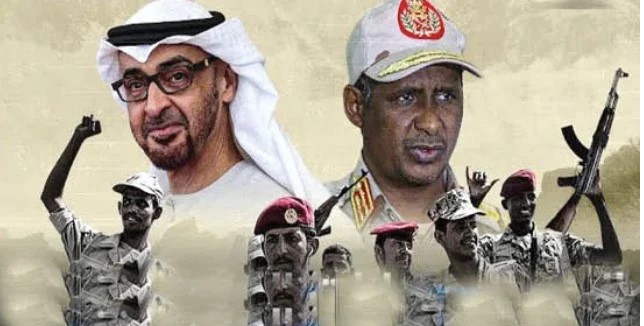
Ambassador Al-Harith said that the UAE must be prevented from expanding the scope of the war, noting that Sudan rejects the Emirati settlement conditions and will resist the establishment of any sectarian entity or parallel government under its sponsorship. He stressed that Sudan will not allow manipulation under the guise of humanitarian aid to grant de facto recognition to the so-called cyber government, and that the country will resist the fragmentation engineering pursued by external enemies, their internal agents, and hired regional proxies.
He noted that Sudan has submitted documented reports and accurate intelligence to the Council on mercenary networks and supply routes by air and land, particularly from southern Libya and the Kufra area, stressing that a regional state obstructed UN access to its territory to conceal its involvement in what he described as a “systematic plan to destroy Sudan.”
Ambassador Al-Harith highlighted that the rebel Rapid Support Forces (RSF) continue to impose a coordinated siege on El-Fashir with external backing, resulting in a complete humanitarian collapse and the displacement of more than half a million people. He added that the RSF has blocked aid deliveries and used starvation as a weapon against civilians, while advanced air defenses supplied by foreign actors have prevented successful airdrops of humanitarian relief.
He accused the UAE of organizing and supporting the transfer and training of mercenaries, particularly from Colombia, through private security companies, including one led by retired Colombian Colonel Alvaro Quijano. He confirmed that Sudanese authorities monitored 248 flights from the UAE to Sudan transporting military equipment and trainers, thereby prolonging the war and escalating violence against civilians.
According to Ambassador Al-Harith, these operations involved the use of prohibited weapons, including white phosphorus in El-Fashir, as well as the deployment of child soldiers. Sudanese intelligence documented the killing of 121 civilians in a short period, dozens of whom perished at the hands of snipers and suicide drones.